Canyon Cushion – For Global Pelvic Relief | APORIA™
From: $449,00
Pricing based on selected firmness configuration
Designed for Complex, Multi-Zone Pelvic Pain
The Aporia® Canyon Cushion is engineered for complex pelvic pain patterns
that extend across the entire pelvic axis — from the pubic region to the coccyx, including perineal, rectal, and sacral areas.
Unlike standard cut-out cushions that only address isolated pressure points, Aporia® Canyon is designed for situations involving multiple pelvic structures and nerve pathways, where conventional solutions quickly reach their limits.
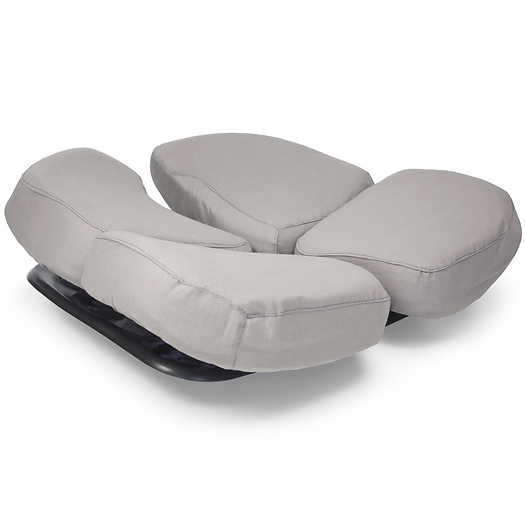
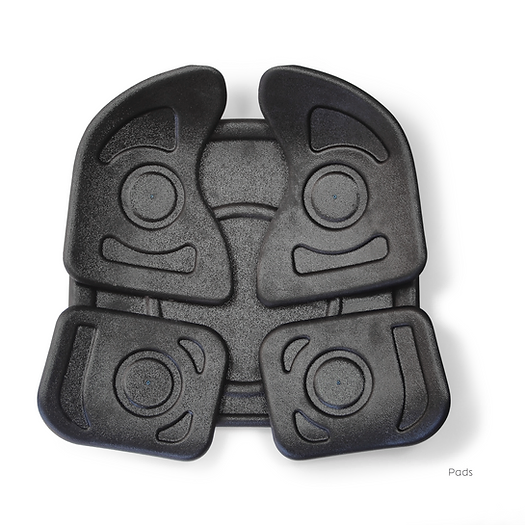
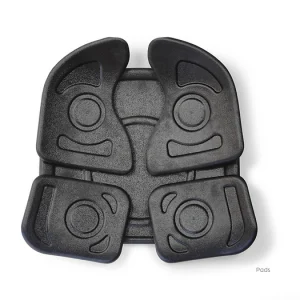
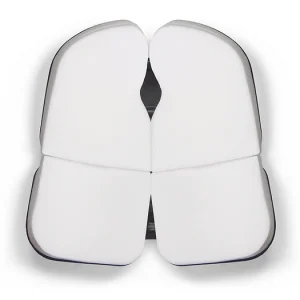
At the core of Canyon’s design is a continuous longitudinal relief channel running from the pubic symphysis to the coccyx, combined with Aporia’s multi-articulated biomechanical structure.
This architecture allows the cushion to act simultaneously on mechanical load distribution, pelvic mobility, and neuro-myofascial regulation.
Total Midline Relief Geometry
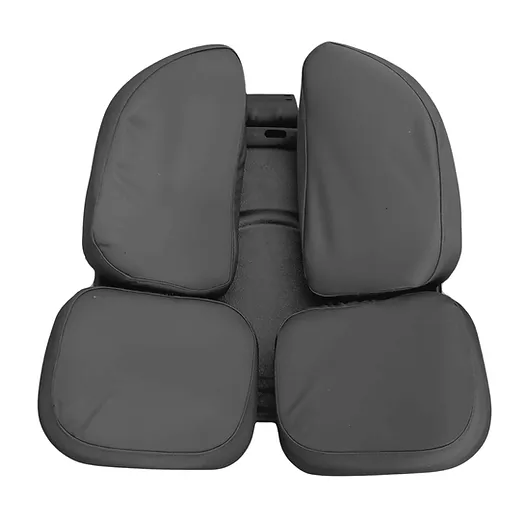
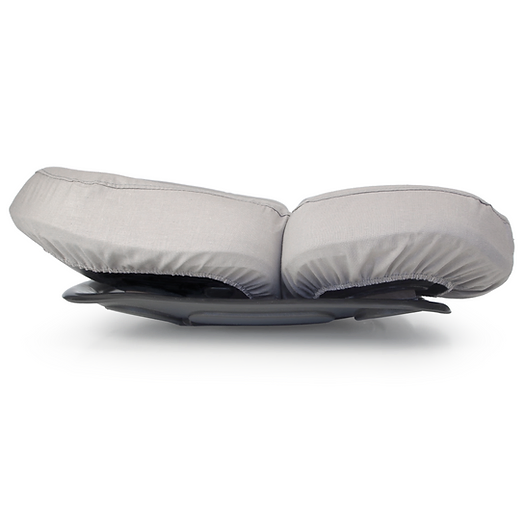
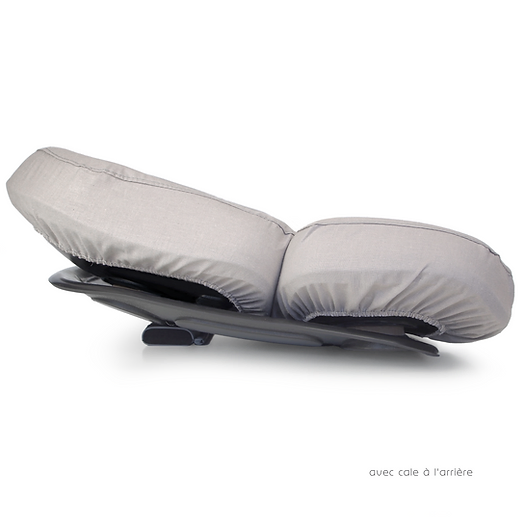
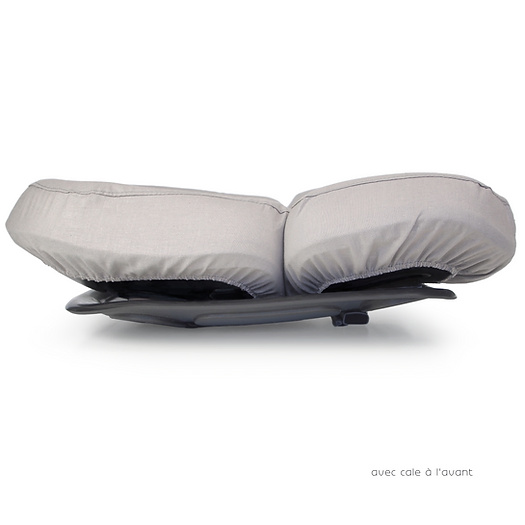
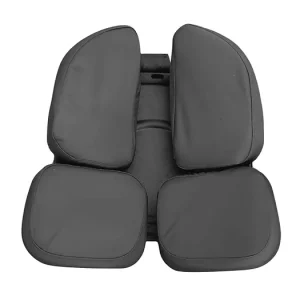
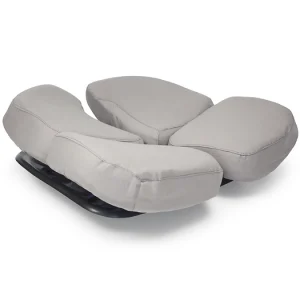
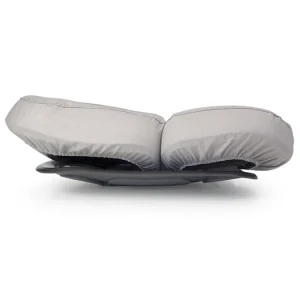
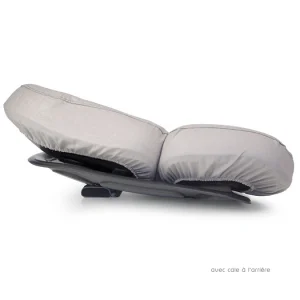
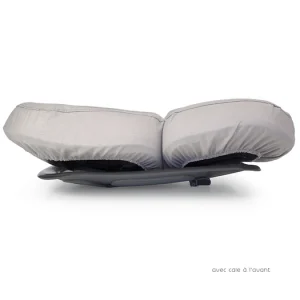
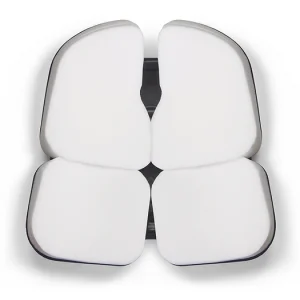
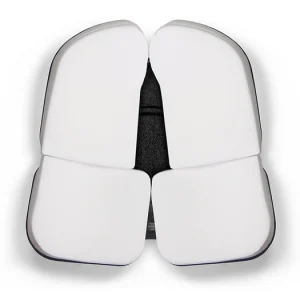
Aporia® Canyon integrates the core principles of the Aporia® seating architecture: four independently articulated support pads mounted on micro-rotational joints, combined with a gently curved base that encourages continuous postural micro-adjustments.
Its full-length central relief channel eliminates direct constraint along the pelvic midline — the anatomical corridor where the primary branches of the pudendal nerve (S2–S4)
and deep perineal tissues are located.
This geometry provides complete midline unloading while preserving global stability, allowing the pelvis to remain both supported and mobile.
ℹ️ Need help choosing the right firmness?
(Click to open the description; click again to close)
🔘 Balanced Comfort (Dynamic Support) ⭐
The most widely adopted option,
offering an optimal balance between stability, mobility,
and postural precision.
EPDM base for durable load-bearing and anti-bottoming performance,
High-density foam to support pelvic and spinal movement,
Memory foam layer for even pressure distribution without sinking.
Who is it for?
✔ Prolonged sitting
✔ Postural imbalance
✔ Deep pelvic or coccyx sensitivity
Feel: firm yet comfortable, stable and responsive —
a living support that follows micro-movements without constraint.
🔘 Enveloping Comfort (Cushioning Effect) ☁️
A softer, more progressive option designed for heightened tissue sensitivity
(post-operative recovery, superficial nerve sensitivity,
localized irritation).
Additional memory foam layer for enhanced softness,
Progressive contact suited to sensitive areas.
Who is it for?
✔ Cutaneous or muscular hypersensitivity
✔ Preference for softer surface contact
Note: this version provides a protective, cocoon-like feel
but may feel less supportive for users accustomed to firmer postural feedback.
Verified customer reviews, 4.6 stars on Trustpilot.